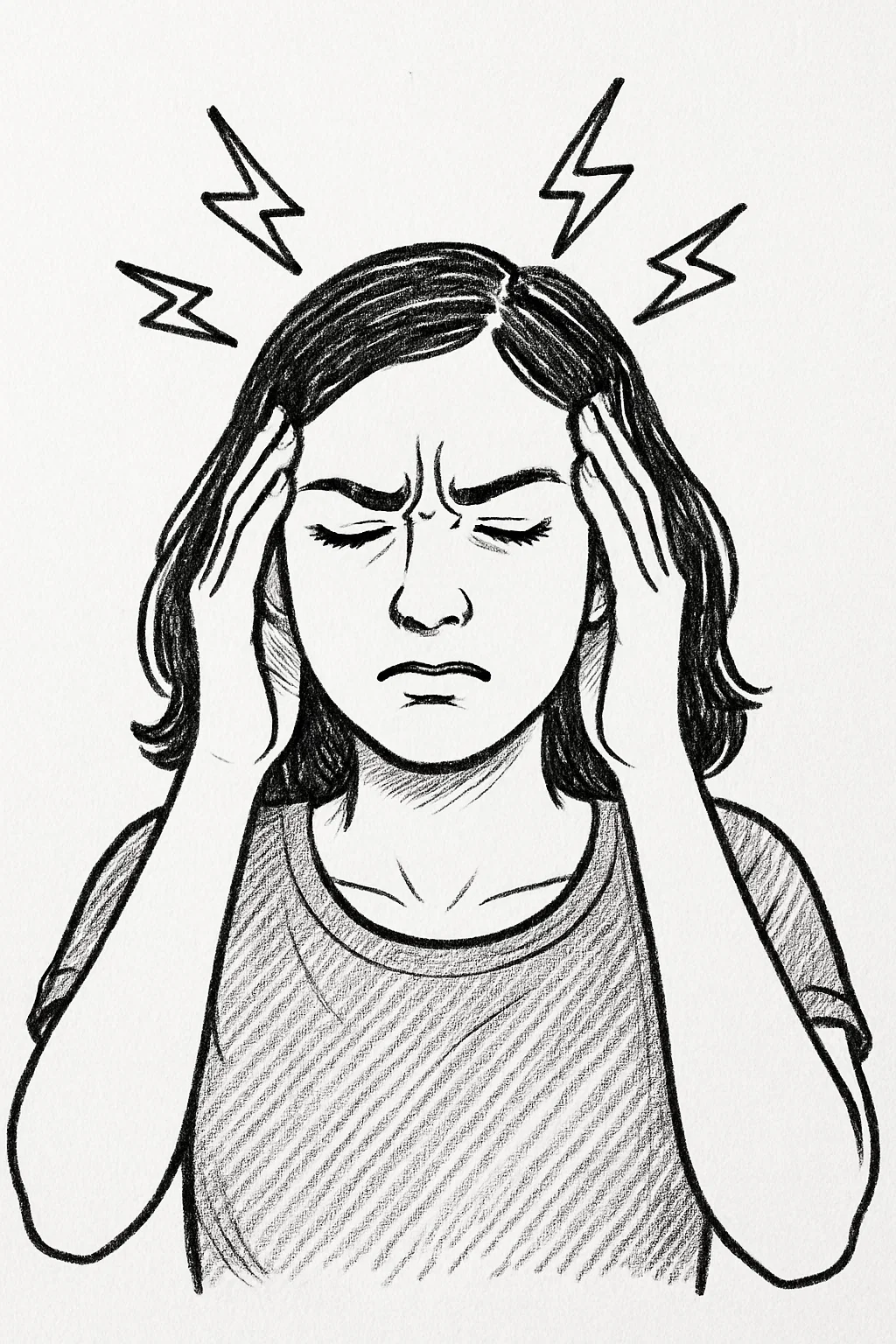

Not all headaches behave the same. Tension-type often feel like a band across the forehead; cervicogenic headaches start in the neck and climb behind the eye; migraines can hit with throbbing pain, light/sound sensitivity, and sometimes aura. The right plan begins with clear identification: what kind of headache is this, what triggers it, and which tools reduce frequency and intensity? In this guide, I’ll outline common patterns I see in Los Angeles patients and where chiropractic care fits—alongside lifestyle and medical strategies when indicated.
First Step: Differentiate the Pattern
- Tension-Type: Dull, bilateral pressure; often after long desk sessions; improves with movement and hydration.
- Cervicogenic: Neck stiffness or pain precedes headache; limited neck rotation; one-sided ache that radiates to skull/eye.
- Migraine: Throbbing, often one-sided; nausea; light/sound sensitivity; may have aura (visual changes or tingling) before onset.
Important: New, severe headaches (“worst headache”), sudden onset, neurologic changes, fever, head injury, or age >50 with new headaches require medical evaluation.
Common LA Triggers
- Screen marathons: Neck protraction, eye strain, dehydration.
- Commutes: Jaw clenching and shoulder elevation during traffic stress.
- Weekend volume spikes: Sudden long rides/runs; poor fueling.
- Sleep factors: New pillows, late caffeine, inconsistent bedtimes.
Where Chiropractic Helps
For tension-type and cervicogenic headaches, restoring cervical and upper-thoracic motion often reduces frequency and intensity. A typical plan:
- Assessment: Neck mobility, posture, jaw function, shoulder mechanics.
- Care: Gentle mobilization/adjustment + soft tissue for suboccipitals and upper traps/levator; home drills to reinforce motion.
- Ergonomics: Screen height, chin tucks, and micro-breaks; jaw relaxation strategies.
- Load: Add thoracic extension and band pulls to support posture.
For migraines, chiropractic is part of a team approach: we address neck triggers and posture while coordinating with your physician for medication plans and ruling out red flags.
Self-Management Toolkit
- Hydration: Aim steady intake; add electrolytes on hot days or long workouts.
- Lighting & fonts: Reduce glare; enlarge text; use night shift modes after sunset.
- Jaw relaxer: Tongue to roof of mouth, teeth slightly apart, gentle nasal breathing during stress.
- Neck routine: 6–8 chin tucks + 6–8 thoracic extensions every 2–3 hours on desk days.
- Sleep: Consistent schedule; side-lying with neutral pillow height.
From Dr. Edward Komberg: “With cervicogenic headaches, the fix often lives lower than the pain. Free the upper back, teach the neck to glide, and headaches lose their ‘starter.’”
When to Escalate
Seek medical evaluation for sudden severe headaches, new neurologic signs, progressive worsening, fever, recent head trauma, or changes in your typical pattern. For recurrent migraines, combine lifestyle, chiropractic, and your doctor’s guidance on acute/preventive meds.