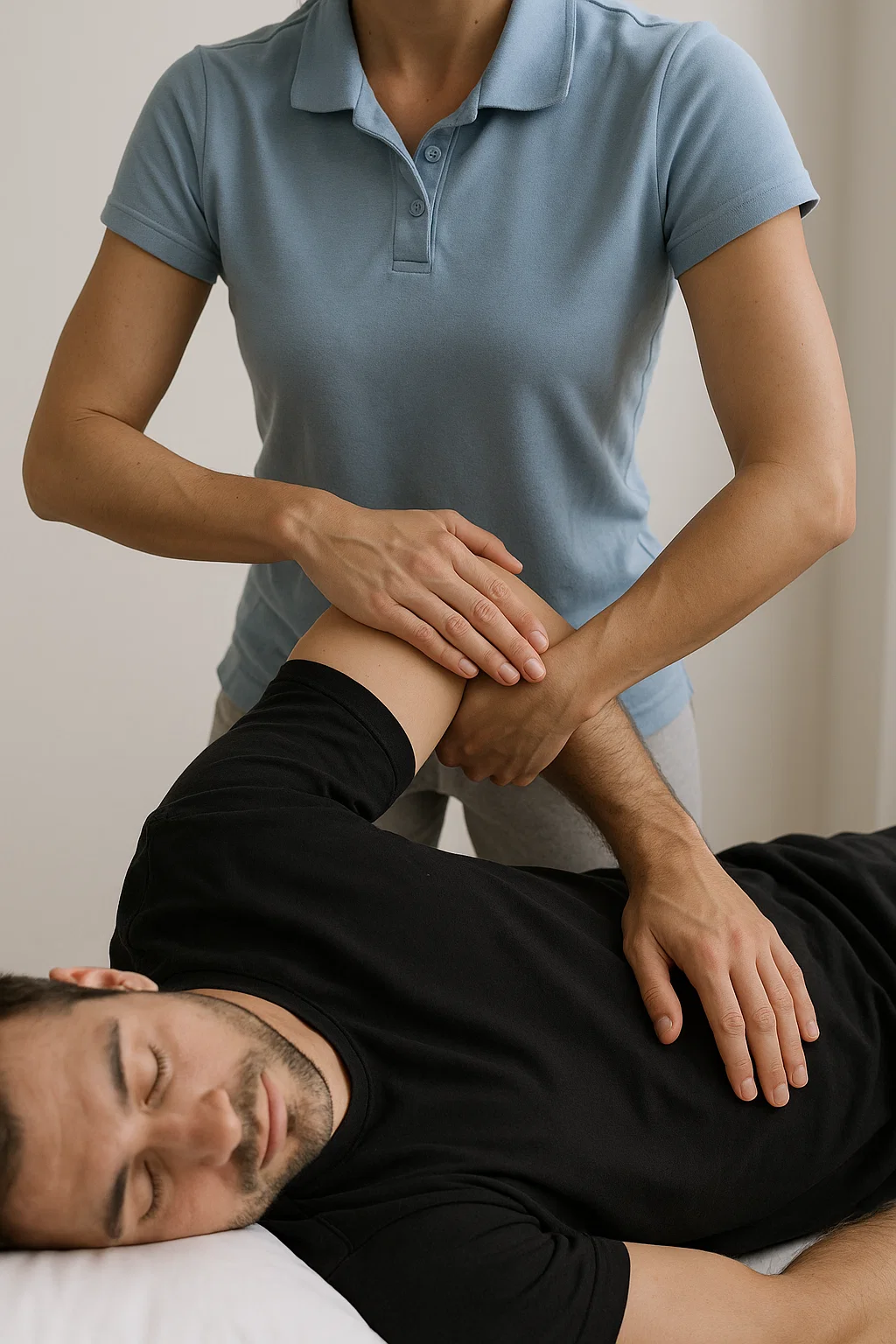

An adjustment or mobilization can unlock motion and calm pain, but durability comes from what you do between visits. Think of your care like tuning a guitar—the strings hold better when you store it right and play with some skill. This guide lays out post-visit habits that cement progress: what to expect the first 24–48 hours, movement “grease” you can add daily, gear tweaks for work and driving, and a simple plan to reduce flare-ups long-term.
First 24–48 Hours: What to Expect
- Normal: Light soreness (like a new workout), increased ease of motion, better breathing or posture awareness.
- Less common: Temporary fatigue or “floaty” feeling—ease back into activity; hydrate and sleep.
- Call us: If pain sharply worsens, new numbness/weakness appears, or you’re concerned.
Movement “Grease” (2–6 Minutes, 1–2×/Day)
Neck/Upper Back Focus
- Chin tucks x 8–10 (slow, no jaw clench)
- Thoracic extension over chair x 8–10
- Band pull-aparts x 10–12 (light resistance)
Low Back/Hip Focus
- Hip flexor stretch 30–45s/side
- Glute bridge 2×8–10 with 2-sec hold
- Cat–Cow x 8–10
Core Control (Spine-Friendly)
- Dead bug 6–8/side with slow breaths
- Side plank hold 10–20s/side (modify on knees if needed)
Pick one focus per day; consistency beats volume.
Work & Commute: Lock In Gains
- Desk: Monitor at eye level; 25/5 rhythm; phone at eye level; feet flat or on a footrest.
- Commute: Seat slightly higher; headrest close; plan one stand/walk on longer drives.
- Phone rule: If elbows aren’t touching ribs, you’re likely craning down—bring the screen up.
Sleep & Recovery
- Positions: Side-lying with pillow between knees, or on your back with small lumbar support as needed.
- Wind-down: 3–4 rounds slow breathing + 60 seconds of your tightest stretch.
- Pillow test: If you wake with neck pain, your pillow may be too high/low. Aim for neutral neck line with your spine.
Build Your Relapse-Resistance Plan
- Identify triggers: Long laptop sessions, back-to-back travel, sudden training spikes, new workstation.
- Set guardrails: 90-minute cap on uninterrupted sitting; 10–15% weekly training volume increases; travel day micro-routines.
- Use check-ins: Reassess every 4–8 weeks—sleep, sitting tolerance, commute comfort, training. Tune as needed.
Special Cases (Modify or Get Guidance)
- Pregnancy/Postpartum: Prioritize comfort positions and breath-based core work; avoid aggressive stretching if painful.
- Osteoporosis/older adults: Favor gentle mobilization and low-impact strength; avoid extreme end-ranges.
- Radicular symptoms: If leg/arm symptoms persist or progress, get re-evaluated promptly.
From Dr. Edward Komberg: “Adjustments change access to motion; habits decide whether you keep it. Two or three minutes of daily ‘grease’ pays back all week.”
When to Space Visits (and When Not To)
As you improve, we increase the gap between visits while keeping your micro-routine steady. If a new job setup, training block, or long travel run pops up, consider a short booster phase to prevent backsliding.